Choosing the Right Roof for Your Room Addition
Adding a room to your home is an exciting project, but one crucial decision that often gets overlooked in the initial planning stages is what type of roof to build. Perhaps you are using the room as a sunroom and want to maximize light. Maybe you are adding a bedroom and want the room to look like an original part of the home. Or you could even be looking for an inexpensive covered porch addition to just keep rain and sun off of you. The roof you choose for your addition impacts not only the aesthetics of your home but also the cost, structural requirements, and long-term maintenance. Let’s explore the most common roof types for room additions and help you determine which might be the best fit for your project.
Shed Roof
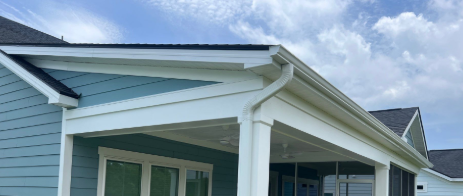
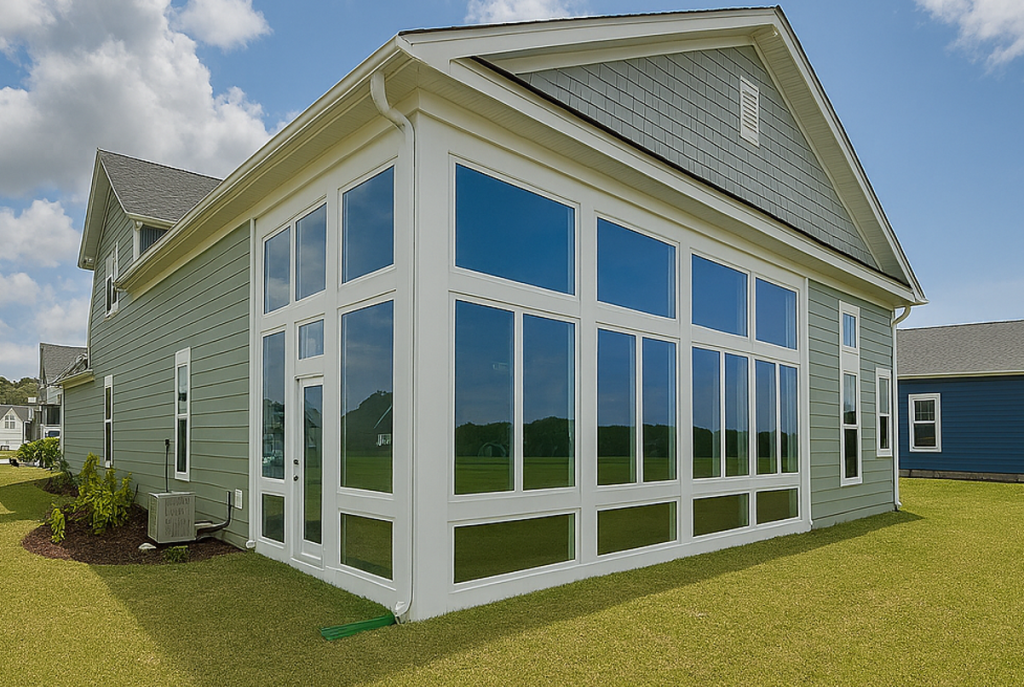
The shed roof is one of the most popular and cost-effective options for room additions. This single-sloped roof typically attaches to the existing wall of your home and slopes downward away from the house.
Advantages: Shed roofs are relatively simple to construct, which translates to lower labor costs. They provide excellent drainage and work particularly well for smaller additions like sunrooms, home offices, or mudrooms. The slope can also create vaulted ceilings inside, giving your addition an open, airy feel.
Considerations: The main limitation is that shed roofs may not blend seamlessly with certain architectural styles, particularly traditional homes with complex rooflines. You’ll also need to ensure the slope is sufficient for proper drainage in your climate.
Gable Roof
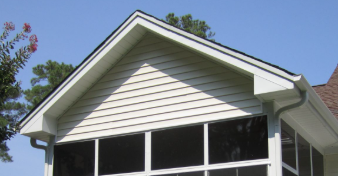
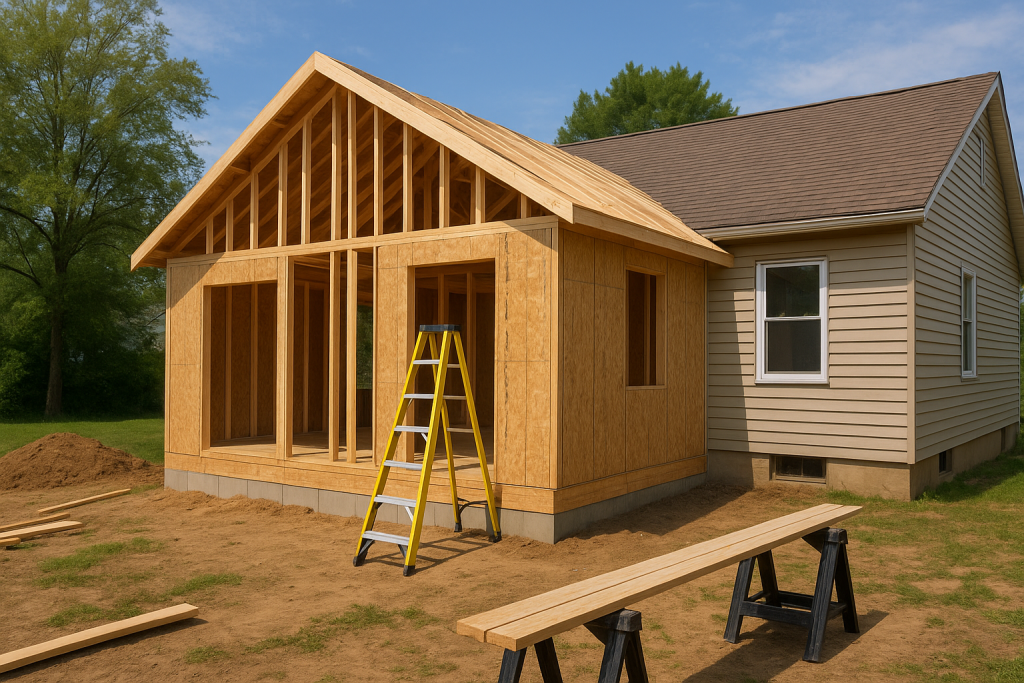
A gable roof features two sloping sides that meet at a central ridge, creating the classic triangular shape most people associate with “home.” This timeless design can be oriented parallel or perpendicular to your existing roofline.
Advantages: Gable roofs offer excellent ventilation and attic space, which can be valuable for storage or future expansion. They shed water and snow effectively and complement most architectural styles, particularly Colonial, Cape Cod, and Craftsman homes. When designed thoughtfully, a gable addition can look like it was always part of the original structure.
Considerations: Gable roofs are more complex to build than shed roofs, which means higher construction costs. They also require careful integration with your existing roof to ensure proper flashing and weatherproofing where the two roofs meet.
Hip Roof
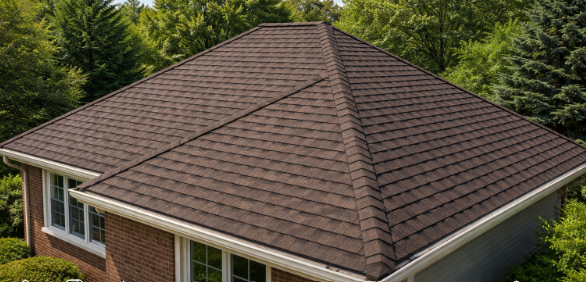
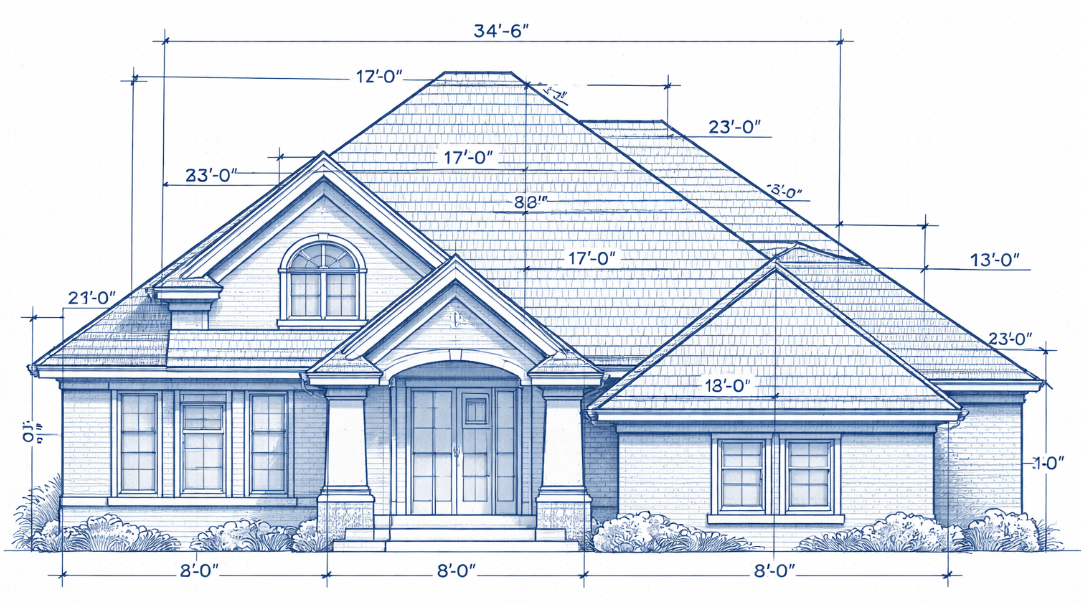
Hip roofs slope on all four sides, with all sides meeting at the top to form a ridge. This creates a more compact, pyramid-like appearance compared to a gable roof.
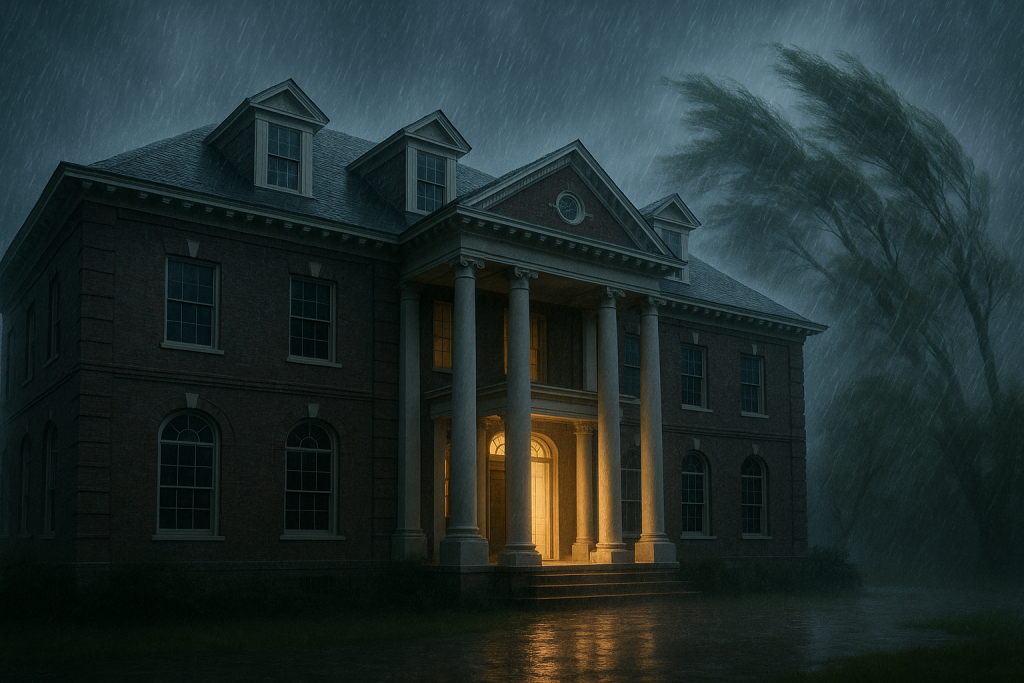
Advantages: Hip roofs are extremely stable and perform well in high-wind areas, making them ideal for coastal or storm-prone regions. They offer a sophisticated, finished appearance and typically integrate beautifully with existing hip-roofed homes. The uniform slope on all sides also provides consistent drainage.
Considerations: Hip roofs are among the most expensive roof types due to their complexity. They require more materials and skilled labor to construct properly. Additionally, they provide less attic space than gable roofs due to the inward slope on all sides.
Flat or Low-Slope Roof
While not truly flat, these roofs have a minimal pitch (typically less than 2:12) and appear nearly horizontal.
Advantages: Flat roofs are popular for modern and contemporary additions. They’re economical to build and can create rooftop deck opportunities in some cases. They work particularly well for small additions where height restrictions are a concern.
Considerations: Flat roofs require meticulous waterproofing and drainage planning. Pitches of less than 2:12 will typically need specialized roofing materials like EPDM, TPO, or modified bitumen rather than traditional shingles. A 2:12 roof can still use metal roofing such as standing seam metal. Meanwhile, many sunrooms and screen porch additions use aluminum and foam panel roofs which do not require any roof cover. Maintenance is also more demanding, as water doesn’t shed as readily as it does on sloped roofs. In snowy climates, you’ll need to account for increased snow load on the structure.
Matching Existing Roofline
For some additions, especially second-story expansions, the best option might be to extend your existing roofline. This creates the most seamless integration with your current home.
Advantages: This approach maintains architectural consistency and often results in the most cohesive appearance, as if the addition was part of the original construction. It can also simplify permitting and approval processes in neighborhoods with strict architectural guidelines.
Considerations: Matching the existing roof is only feasible if your addition aligns properly with the existing structure. It may also be one of the more expensive options due to the complexity of tying into the existing roof system. You’ll need to ensure the original roof structure can support the additional weight and stress. Key Factors to Consider
Climate: Your local weather patterns should heavily influence your decision. Areas with heavy snowfall need steeper pitches for snow shedding, while wind-prone regions benefit from the stability of hip roofs.
Budget: Shed roofs are typically the most economical, while hip roofs and complex gable configurations cost more. Don’t forget to factor in long-term maintenance costs as well.
Building Codes and Community Requirements: Check local requirements and community documents for roof pitch, materials, and structural specifications. Some municipalities have strict guidelines about how additions must integrate with existing structures.
Future Plans: Consider whether you might expand further in the future. Some roof types are easier to modify or extend than others. Making Your Decision
The right roof for your room addition depends on balancing aesthetics, budget, climate requirements, and structural considerations. While it’s tempting to choose based solely on cost, remember that your roof protects one of your most significant investments—your home.
If you have any questions or additional ideas to share about roof types, please reach out to us here!
The author of this article is Rob Clemons, a licensed home builder and General contractor with Carolina Bays Homes. Carolina Bays is a home builder, remodeler and sunroom company in Myrtle Beach.